Customers ask us every day how much they can carry, where they can smoke, and whether they can take cannabis on a trip. Cannabis rules in Canada are set partly by Ottawa and partly by each province. Here’s a plain-language rundown for British Columbia, based on official sources.
This guide is general information, not legal advice. Rules can change. Always check the Province of B.C. and Government of Canada websites for the current version.
The legal age in B.C. is 19
In British Columbia you must be 19 or older to buy, possess, use or grow non-medical cannabis. You must also be 19 to enter a cannabis store, which is why every licensed store, including all three Affinity Cannabis locations, checks ID at the door. Bring valid government-issued photo ID every time, even if you’ve shopped with us before.
It’s also illegal for adults to sell or give cannabis to anyone under 19.
Where you can legally buy cannabis
Legal non-medical cannabis in B.C. is sold only by licensed private retailers and government-run BC Cannabis Stores. Licensed stores display a provincial licence and a “Licensed Cannabis Retailer” decal in the window. Legal products also carry a federal excise stamp. In B.C. you’ll see the green provincial stamp, and a product without a stamp isn’t legal.
The Province also lists warning signs of illegal online sellers. These include no physical store, no age verification, shipping out of province, accepting only e-transfer or crypto, packaging that looks appealing to kids, and medical claims from sellers not tied to a licensed producer. Licensed B.C. stores may only ship or deliver within B.C.
You can find the official map of licensed stores on the Province of B.C. website. Our stores are on Victoria Drive and Knight Street in Vancouver, and on Lonsdale Avenue in North Vancouver.
How much you can buy and carry
B.C.’s limits for adults 19 and older:
- In public: up to 30 grams of dried cannabis, or its equivalent
- Per purchase: up to 30 grams of dried cannabis, or its equivalent, in a single transaction
- At home: up to 1,000 grams of dried cannabis, or its equivalent, per household. The limit doesn’t double just because more adults live there.
What “or its equivalent” means
Not everything is sold as dried flower, so federal rules set equivalents to 1 gram of dried cannabis:
- 5 g of fresh cannabis
- 15 g of edible product
- 70 g of liquid product (such as beverages)
- 0.25 g of concentrates (solid or liquid)
- 1 cannabis plant seed
Health Canada has an online calculator, and our staff can add it up at the till.
Growing cannabis at home
Adults in B.C. can grow up to four non-medical cannabis plants per household, at the home where they normally live. A few details catch people out:
- The limit is per dwelling, not per person. Two adults in the same suite still share four plants.
- Clones count toward the four.
- Plants can’t be generally visible from public places like streets, sidewalks, parks or school grounds.
- Plants can’t be grown in a home that’s licensed for child care.
- Landlords, strata councils and local governments can restrict or ban home growing.
- Homegrown cannabis can’t be sold.
Where you can and can’t consume
At home, there are no provincial restrictions on adults consuming cannabis in a privately owned home. But landlords and strata corporations can restrict or ban smoking, so check your lease or strata bylaws.
In public, the general rule is that adults can smoke or vape cannabis where tobacco smoking and vaping are allowed. B.C. adds extra no-go areas. Smoking or vaping cannabis is not allowed:
- at playgrounds, sports fields, skate parks, swimming pools and spray pools, including their decks and seating areas
- in provincial, regional and municipal parks, except in some designated areas and campsites
- in, on or near school properties, including adjacent sidewalks, roads and parks
- inside public buildings, workplaces and common areas of apartment buildings, or within six metres of their doors, windows and air intakes
- at or within six metres of bus stops, transit shelters, train stations, ferry docks and similar passenger areas
Any form of cannabis consumption is banned in vehicles and boats, whether you’re driving or a passenger, and on school property. Cities and towns can add their own rules on top of the provincial ones. Vancouver and North Vancouver both have local smoking bylaws, so look up local rules before consuming outside your home.
Cannabis and driving
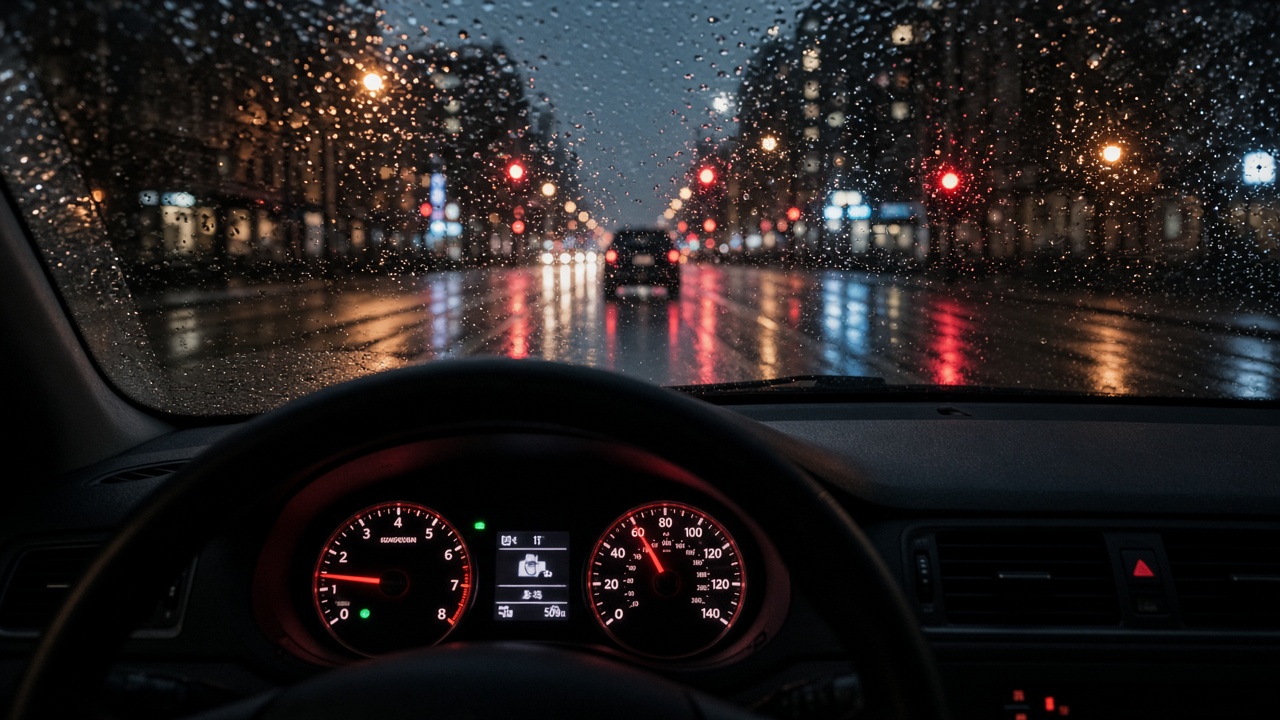
Driving after using cannabis is against the law. The Province is clear that impairment doesn’t line up neatly with THC levels, and there’s no standard safe waiting time. Our advice is simple: if you’ve used cannabis, don’t drive.
Penalties are serious:
- Federal Criminal Code charges can apply at blood THC levels over 2 ng/mL, with more serious charges over 5 ng/mL, or over 2.5 ng/mL combined with alcohol.
- In B.C., police can issue an immediate 90-day driving prohibition for over 5 ng/mL of THC within two hours of driving, or 2.5 ng/mL combined with alcohol.
- Drivers in the Graduated Licensing Program (L and N) have zero tolerance for THC.
Transporting cannabis in a vehicle
You can carry up to 30 grams of dried cannabis (or equivalent) in a vehicle if it’s in its original unopened packaging, or if any open package is out of the driver’s reach, such as in the trunk. Consuming it in a parked car on a public road is also illegal.
Travelling with cannabis
Within Canada, you may travel with legal cannabis up to the possession limit, but each province has its own age and possession rules, so check where you’re going. Crossing Canada’s international border with cannabis is illegal, in either direction, even if cannabis is legal at your destination. That includes CBD products. Leave it at home.
Sharing with other adults
Adults can share legal cannabis with other adults, within the 30-gram public possession limit. Selling it without a licence is illegal, and so is giving it to anyone under 19.
Storing it safely at home
Every legal package says “KEEP OUT OF REACH OF CHILDREN.” Keep cannabis in its child-resistant packaging, stored somewhere locked or out of reach of kids and pets. Edibles can look like ordinary snacks. If a child or pet eats cannabis, contact the BC Drug and Poison Information Centre or your vet right away. In an emergency, call 911.
Questions? Ask us in store
Our staff are happy to explain the rules in person: limits, equivalents, and how to read a cannabis label. Visit any of our three stores, or check our delivery page for delivery areas within B.C. All customers must be 19+ with valid ID.
Official sources
- Province of B.C.: Possession and purchasing limits; Where you can consume; Cannabis and driving; Buy legal cannabis; Growing non-medical cannabis at home (gov.bc.ca)
- Government of Canada: Cannabis Act and Cannabis Regulations; Travelling with cannabis (canada.ca)